


Bearded dragons, with their charming personalities and unique dietary needs, are beloved reptile pets. As omnivores, they thrive on a balanced diet of insects, vegetables, and fruits.
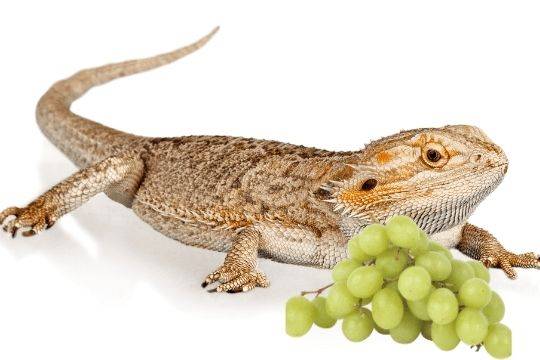
Yes, bearded dragons can eat grapes in moderation. Offer one or two seedless grapes weekly as a treat. Grape leaves are also safe and nutritious, but avoid overfeeding due to high sugar content.
This article dives into the nutritional benefits, risks, preparation methods, and guidelines for feeding grapes to your bearded dragon, ensuring you keep your scaly friend healthy and happy.
Nutritional Profile of Grapes for Bearded Dragons
Grapes are packed with nutrients that can benefit bearded dragons when offered sparingly. According to data from the USDA and other nutritional sources, here’s a breakdown of the key components of raw grapes per 100 grams:
- Water Content: Grapes consist of 45–68% water, making them a hydrating treat. Bearded dragons, native to the arid Australian desert, often get hydration from food rather than drinking directly from a bowl. Grapes can help supplement their water intake.
- Fiber: Grapes provide fiber, which aids in digestion and helps prevent constipation.
- Vitamins and Minerals: Grapes contain potassium, vitamin E, and antioxidants, particularly in the skin of red and purple varieties. These can support immune health and reduce inflammation.
- Calcium and Phosphorus: Grapes have a calcium-to-phosphorus ratio of approximately 1:2, which is not ideal for bearded dragons. Healthy adult bearded dragons require a calcium-to-phosphorus ratio of 1.5:1 to 2:1 to maintain strong bones and prevent metabolic bone disease (MBD). The low calcium content in grapes means they should be paired with calcium-rich foods like kale or arugula.
- Sugar Content: Grapes are high in sugar, with nearly 16% of their weight being sugar. This is significantly higher than many other fruits and even surpasses the sugar content of soda (e.g., Coca-Cola has about 9% sugar by weight). Excessive sugar can lead to obesity, dental issues, and digestive problems in bearded dragons.
- Oxalates: Grapes contain oxalates, compounds that bind to calcium in the body, potentially reducing its absorption and increasing the risk of MBD.
While grapes offer hydration and some nutritional benefits, their high sugar and oxalate content, along with an unfavorable calcium-to-phosphorus ratio, make them unsuitable as a staple food. They should be considered a treat rather than a dietary mainstay.
Benefits of Feeding Grapes to Bearded Dragons


When fed in moderation, grapes can provide several health benefits for bearded dragons:
- Hydration: The high water content in grapes helps keep bearded dragons hydrated, especially for those that are reluctant to drink from a water dish. Misting grapes or offering them wet can further encourage hydration.
- Antioxidants: Dark red and purple grapes are richer in antioxidants compared to green or white varieties. These antioxidants can reduce inflammation, support heart health, and potentially lower the risk of allergies.
- Fiber for Digestion: The fiber in grapes promotes healthy digestion and can help prevent constipation, ensuring smooth bowel function.
- Vitamin A from Grape Leaves: Grape leaves, which can also be fed to bearded dragons, are high in vitamin A and calcium while being low in phosphorus. This makes them a more nutritious option than the fruit itself, especially for dragons prone to vitamin A deficiency.
Risks of Feeding Grapes to Bearded Dragons
Despite their benefits, grapes come with risks that pet owners must consider to avoid health complications:
- High Sugar Content: The elevated sugar levels in grapes can contribute to obesity, a common issue in captive bearded dragons. Obesity can lead to other health problems, such as fatty liver disease. Additionally, high sugar intake may cause dental disease or digestive issues like diarrhea.
- Oxalates and Calcium Deficiency: The oxalates in grapes bind to calcium, reducing its availability and potentially leading to MBD, a serious condition characterized by weakened bones, swelling, and difficulty moving. MBD can be debilitating or even fatal if not addressed.
- Choking Hazard: Whole grapes, especially for juvenile or smaller bearded dragons, pose a choking risk due to their size and shape. Seeds, even in so-called “seedless” varieties, can also cause choking or digestive blockages (impaction), which can be life-threatening.
- Overhydration: While hydration is beneficial, too much water from grapes can lead to diarrhea, which may cause severe dehydration—a paradoxical effect given their desert origins.
- Picky Eating Habits: Bearded dragons, particularly younger ones, may develop a preference for sweet treats like grapes over nutrient-dense vegetables. This can lead to nutritional deficiencies if they refuse their staple diet.
- Pesticide Exposure: Grapes from stores may carry pesticide residues, which can be harmful to bearded dragons. Thorough washing is essential to remove chemicals.
How to Safely Feed Grapes to Bearded Dragons
To ensure grapes are a safe and enjoyable treat for your bearded dragon, follow these preparation and feeding guidelines:
- Choose Seedless Grapes: Always select seedless varieties to eliminate the risk of choking or impaction. If seeds are present, remove them carefully.
- Wash Thoroughly: Rinse grapes under running water to remove dirt, debris, and pesticides. Organic grapes are preferable to minimize chemical exposure.
- Cut into Small Pieces: Slice grapes into halves or quarters, ensuring each piece is no larger than the distance between your bearded dragon’s eyes. This reduces choking hazards and makes them easier to eat, especially for younger dragons.
- Limit Frequency and Quantity: Offer one or two grapes once or twice a week for healthy adult bearded dragons. For juveniles or dragons with health issues like obesity or diabetes, limit to once a month and consult a veterinarian.
- Remove Skins for Young Dragons: While adult bearded dragons can digest grape skins, younger dragons may struggle. Peeling the skin for juveniles can prevent digestive issues, though it’s not necessary for adults.
- Monitor for Allergic Reactions: Though rare, some bearded dragons may be allergic to grapes. Watch for signs like gasping, nostril flaring, or difficulty breathing, and seek veterinary care immediately if these occur.
- Incorporate Grape Leaves: Grape leaves are a nutritious alternative to the fruit. Wash and chop them finely before offering as part of the 5–10% fruit portion of the diet.
- Avoid Processed Grapes: Do not feed canned grapes, grape jelly, or other processed forms, as these often contain added sugars or preservatives harmful to bearded dragons.
Types of Grapes: Which Are Best?

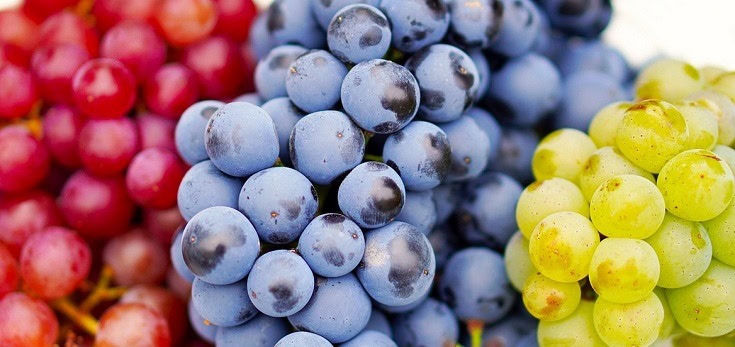
Grapes come in various types, primarily categorized as American (slip-skin) or European (tight-skin). Both red/purple and green grapes can be fed to bearded dragons, but there are differences to consider:
- American Grapes: These have softer, easily peeled skins and higher calcium content, making them a slightly better choice for bearded dragons. Examples include Concord and Niagara grapes.
- European Grapes: Often used for winemaking, these have tighter skins and lower calcium levels. Pair them with calcium-rich greens to balance the diet. Examples include Thompson Seedless and Cabernet Sauvignon.
- Red/Purple vs. Green Grapes: Red and purple grapes contain more antioxidants, making them preferable over green grapes, which have higher acidity that may upset a bearded dragon’s stomach.
- Wild Grapes: These are not recommended due to their bitter taste, thicker skins, and potential pesticide contamination. Stick to store-bought, seedless varieties.
Ideal Bearded Dragon Diet
To put grapes in context, a bearded dragon’s diet should be well-balanced based on their age:
- Juveniles (0–12 months): 70–80% insects (e.g., gut-loaded crickets, Dubia roaches) and 20–30% plants, including leafy greens like collard greens and dandelion greens. Fruits like grapes should be minimal due to picky eating tendencies.
- Adults (18 months+): 80% plants (leafy greens, vegetables) and 20% insects. Fruits, including grapes, should constitute only 5–10% of the diet, offered as treats.
Staple vegetables include mustard greens, turnip greens, and butternut squash, while insects like crickets and mealworms should be dusted with calcium powder to support bone health. Avoid high-oxalate foods like spinach and citrus fruits, which can harm bearded dragons.
Additional Tips for Feeding Grapes

- Use as Enrichment: Pureed grapes on a lick mat can provide mental stimulation and encourage exercise, but avoid adding sugar or other ingredients.
- Monitor Health: Regularly check your bearded dragon for signs of obesity, digestive issues, or MBD. Consult a veterinarian if you notice symptoms like lethargy, swelling, or irregular bowel movements.
- Vary the Diet: Rotate grapes with other safe fruits like strawberries, blueberries, or figs to provide variety while keeping sugar intake low.
- Consult a Vet: If your bearded dragon has health issues like obesity or diabetes, confirm with a veterinarian before introducing grapes.
Conclusion
Bearded dragons can safely eat grapes as an occasional treat, provided they are seedless, washed, and cut into small pieces. Their high water content, fiber, and antioxidants offer benefits, but the high sugar, oxalates, and low calcium-to-phosphorus ratio mean they should be limited to one or two grapes once or twice a week. Grape leaves can be a nutritious addition, but the fruit itself should not dominate the diet. By prioritizing calcium-rich greens, gut-loaded insects, and a balanced feeding schedule, you can ensure your bearded dragon enjoys grapes safely while maintaining optimal health. Always consult a veterinarian for personalized advice, especially for dragons with specific health needs.
FAQs
How many grapes can bearded dragons eat?
Bearded dragons can eat one or two seedless grapes once a week. Too many grapes can cause health issues because they’re high in sugar.
What fruit can a bearded dragon eat daily?
Bearded dragons shouldn’t eat fruit daily. Offer small amounts of safe fruits like berries or apples a few times weekly.
Can beardies eat grape skin?
Yes, bearded dragons can eat grape skin, but peel it for young dragons. Wash grapes well to remove any pesticides.
Can beardie eat watermelon?
Yes, bearded dragons can eat watermelon in small pieces occasionally. It’s hydrating but high in sugar, so limit it.
What vegetables can a bearded dragon eat?
Bearded dragons can eat collard greens, mustard greens, squash, and bell peppers. These veggies are healthy and safe for them.
Can bearded dragons swim?
Yes, bearded dragons can swim in shallow, warm water. They enjoy it sometimes, but always supervise to keep them safe.
Can bearded dragons have cucumbers?
Yes, bearded dragons can have cucumbers as a treat. Peel and chop them small, but don’t feed too often.
Do bearded dragons like bananas?
Many bearded dragons like bananas, but only give small pieces once a week. Bananas are sugary and not too healthy.